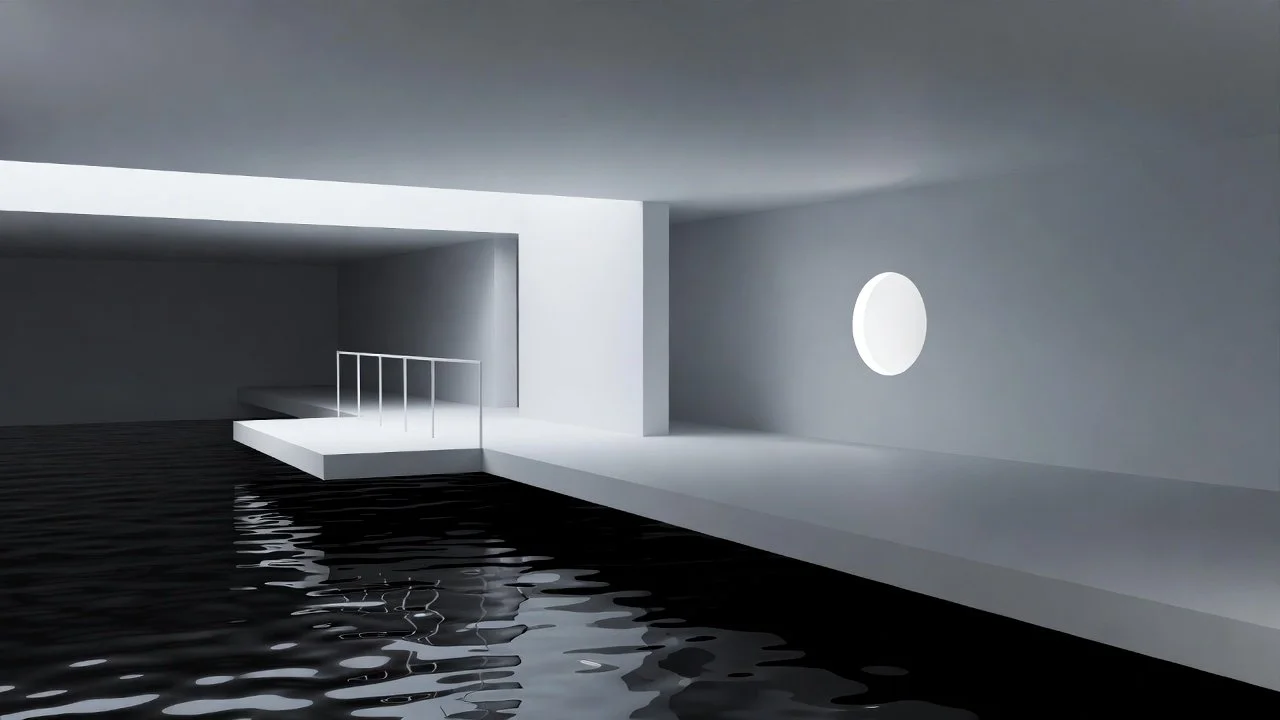
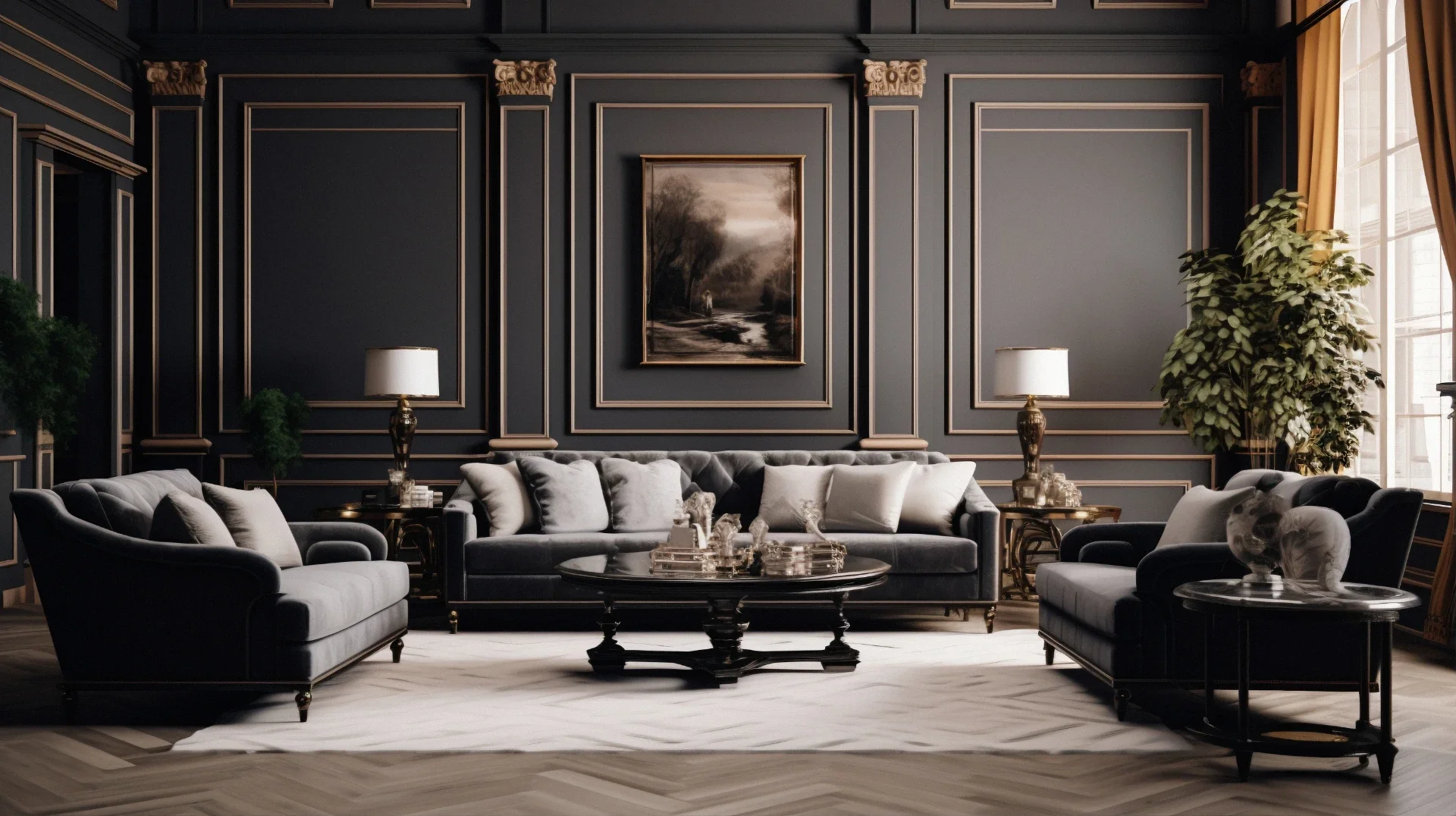
The Psychology of Space: Why some homes instantly feels right.
There is a moment that occurs in certain spaces, often within seconds of entering, when the body relaxes before the mind has formed an opinion.
Breath deepens. Shoulders drop. Movement slows. Nothing dramatic announces itself, yet something registers as right. This response is not accidental, and it is not taste. It is physiological.
Research in environmental psychology and neuroscience has consistently shown that humans respond to spatial conditions: light, proportion, enclosure, ceiling height, and material texture, at a per-conscious level. The nervous system processes space before language does.¹ What we often describe as “comfort,” “warmth,” or “presence” is, in fact, the body recognizing safety, coherence, and ease.
This is why wealth alone does not guarantee a good home.
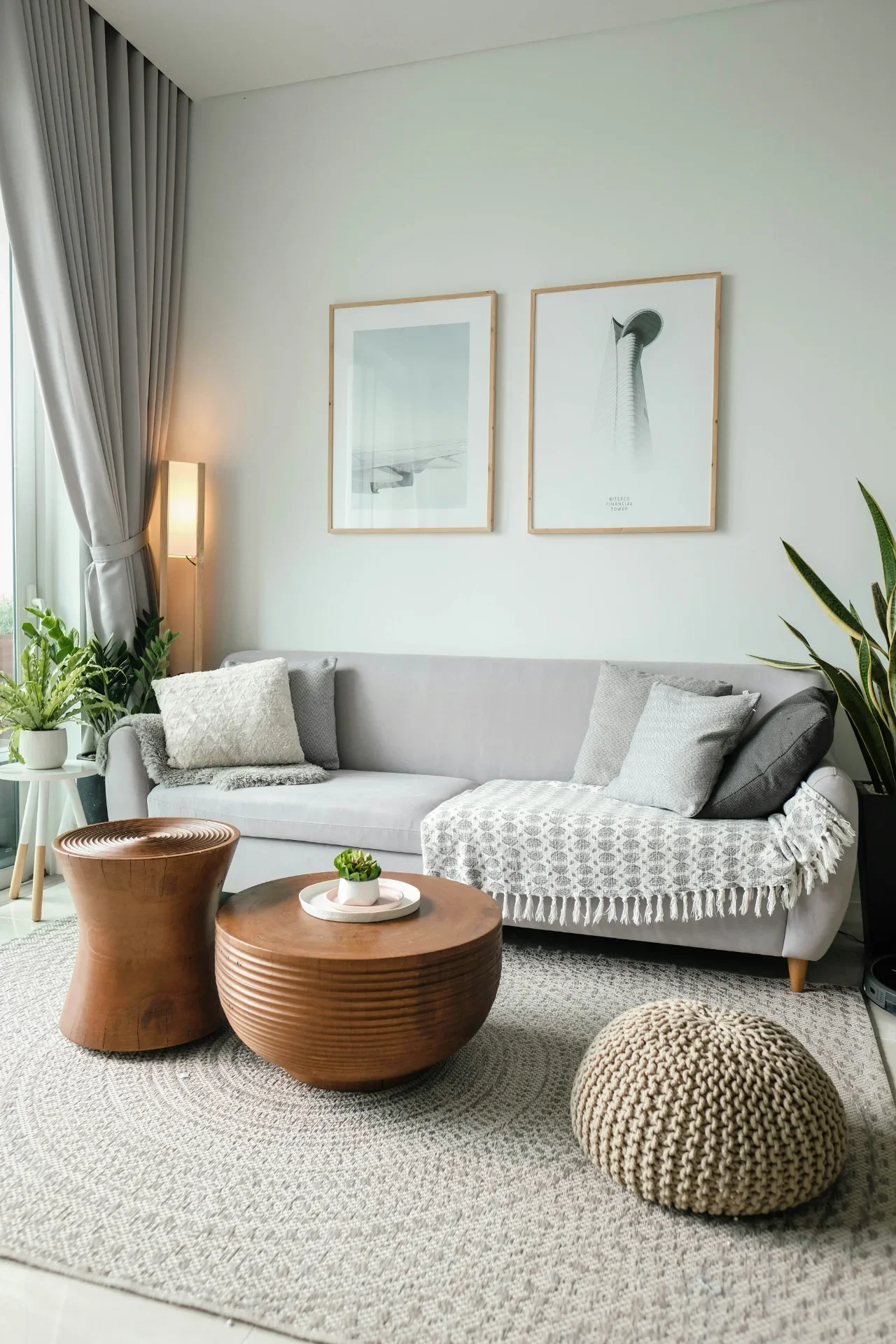
When spaces perform instead of support
It is a common assumption that larger budgets naturally produce better living environments. In practice, the opposite often occurs. As financial constraints loosen, decision-making frequently becomes fragmented. More rooms are added, more statements are made, and more materials are layered. Spaces grow visually impressive yet psychologically demanding. Homes begin to perform rather than support.
Studies on cognitive load show that environments with excessive visual complexity increase mental fatigue and stress, even when occupants cannot articulate why.² A space may be admired and still feel exhausting to live in. This is the quiet paradox of poorly considered luxury: it stimulates the eye while unsettling the body.
A growing number of residential spaces are also conceived primarily for how they photograph. This is not inherently wrong, but it is incomplete. Cameras reward contrast, novelty, and visual tension. Human bodies do not.
What reads as striking in a still image can translate into discomfort over time: harsh lighting angles, exaggerated ceiling heights, over-scaled furniture, reflective finishes that never allow the eye to rest.
The problem is not beauty. It is duration.
Homes are not experienced in moments. They are experienced in repetition, morning routines, quiet evenings, unremarkable Tuesdays. Design that fails under repetition is not a successful design, regardless of its initial impact.
Why the body knows before the mind
Long before humans built houses, the brain evolved to read environments for cues of safety, visibility, and control. While modern living has changed our contexts, the underlying mechanisms remain.
Certain spatial conditions consistently produce calm responses:
Clear sight lines without exposure
Proportions that feel balanced rather than imposing
Natural light that shifts gradually rather than abruptly
Materials that age honestly instead of reflecting glare
These are not stylistic preferences. They are responses linked to how the brain processes threat, orientation, and rest. This explains why two homes of similar size and cost can feel radically different, and why one invites lingering while the other encourages escape. What the body registers first is not luxury or novelty, but whether a space feels navigable, legible, and safe to inhabit.
Coherence over expression
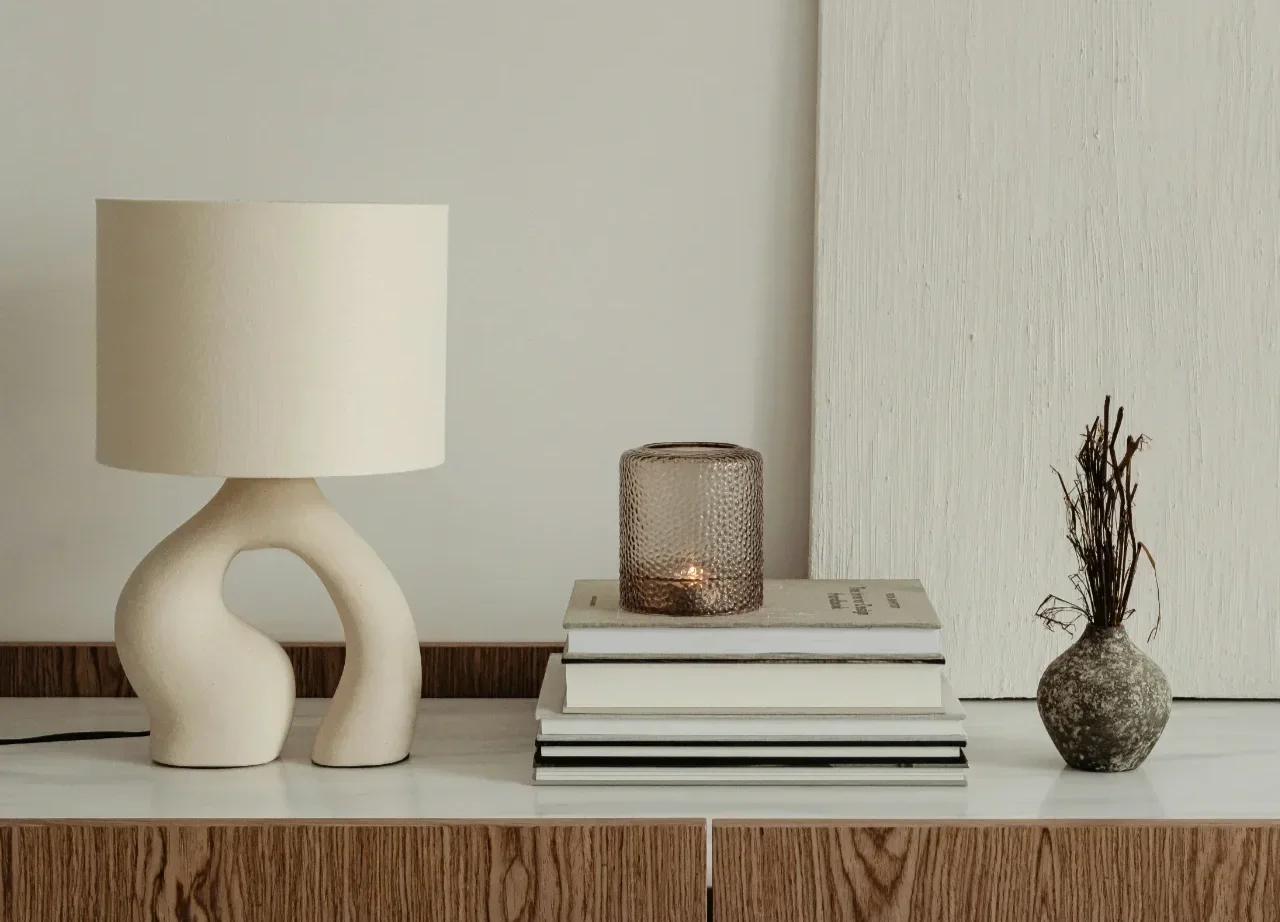
Spaces that “feel right” tend to share one defining quality: coherence.
This does not mean uniformity or minimalism. It means that the space behaves predictably. Circulation makes sense. Transitions are gentle. Materials relate to one another rather than compete. Nothing demands constant attention. In such environments, the occupant is not managing the space. The space is supporting the occupant.
There is evidence that coherent environments reduce decision fatigue and support emotional regulation, particularly in domestic settings.⁴ While individual preferences still matter, coherence consistently outperforms spectacle when it comes to long-term comfort.
The most effective residential design decisions are often the least visible. They appear in how a hallway narrows slightly before opening into a living area. In how a window is positioned to provide light without exposure. In how acoustics soften sound rather than amplify it. In how materials feel under the hand at the end of a long day.
These decisions require restraint, foresight, and an understanding that the primary client is not the eye, but the nervous system. This is also why well-designed homes tend to age better than highly expressive ones. When a space is anchored in human response rather than visual trends, it remains relevant long after fashions shift.
The quiet measure of success
A home that truly works rarely announces itself. It does not overwhelm guests. It does not perform its value. It simply allows people to settle, physically and mentally. Conversations last longer. Silence feels comfortable. Leaving feels slightly premature.
These are not accidents. They are outcomes. Good design is not about imposing an idea onto a space. It is about removing friction until living feels natural again. That is when a home stops being admired and starts being trusted.
Notes on evidence and limitations:
Joyce & van den Berg (2022) show that architectural stimuli evoke neural and emotional responses independent of conscious interpretation (Building and Environment, 219).
Cognitive load theory applied to built environments shows correlation, not absolute causation; effects are probabilistic, not deterministic.
Classic environmental psychology research shows that spatial coherence (clear paths, predictable transitions, legible layout) reduces directed attention demands and cognitive fatigue, supporting emotional regulation. Kaplan & Kaplan (1989), The Experience of Nature.
Explore more inspiring reads