Designing for How People Live - Not How Spaces Photograph
There is a growing gap between how spaces are designed and how they are lived in.
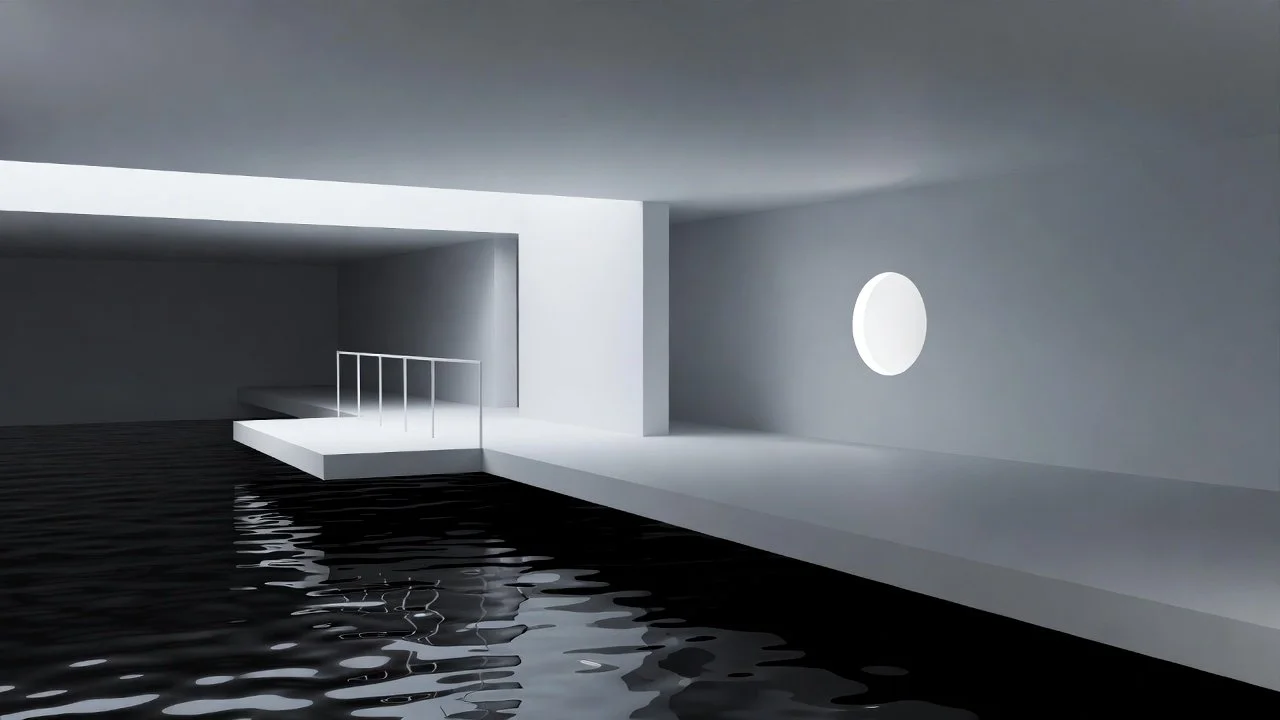
It is not a gap of intention. Most designers care deeply about comfort, function, and beauty. It is a gap of emphasis. Increasingly, residential environments are conceived through the lens of representation, how they appear in images, rather than through the reality of daily use.
Photography has always been part of architecture. What is new is its dominance.
When Images Become the Brief
Cameras reward clarity, contrast, and visual tension. They flatten space, freeze time, and favour moments over continuity. Design responds accordingly.
Spaces are composed to read instantly: dramatic focal points, bold material juxtapositions, exaggerated proportions. These choices perform well in still frames. They are decisive, legible, and shareable. But living is not static. Homes are experienced in motion, in partial attention, in routine. They are encountered early in the morning and late at night, during celebration and fatigue. A space that performs for the camera does not automatically perform for the body.
The two are not opposites—but they are not the same.
Visual Clarity Is Not Lived Clarity
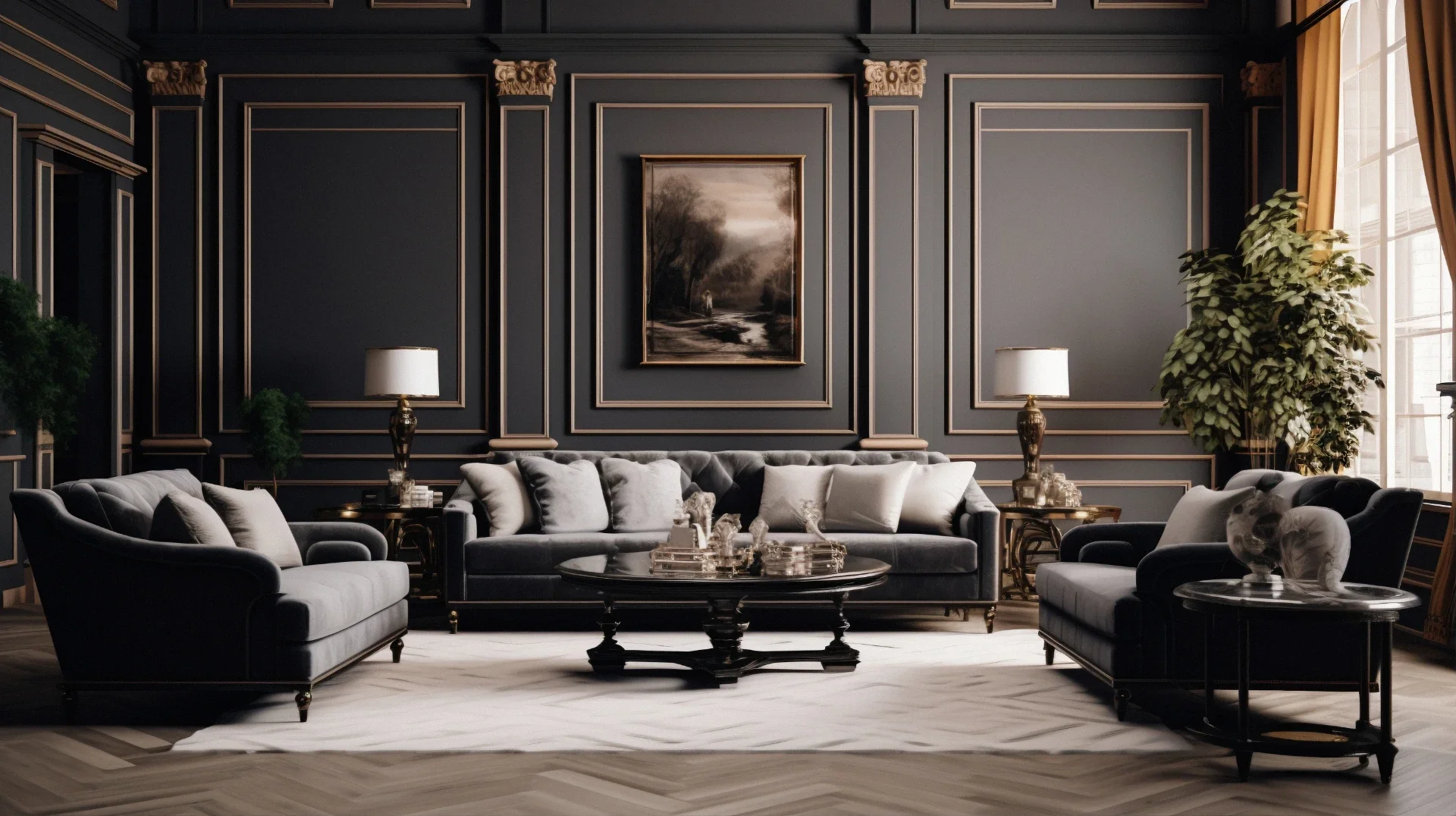
What reads as clear in an image can be confusing in use. A kitchen may look refined while interrupting workflow. A living room may feel sculptural while discouraging conversation. A bedroom may photograph serenely while failing to support rest.
Environmental psychology research shows that humans respond more strongly to spatial relationships over time than to isolated visual features.¹ Comfort is cumulative. It emerges from repeated interaction, not initial impression. This is why some homes impress immediately and fatigue quickly, while others reveal their value slowly.
Designing for Repetition, Not Moments
Designing for photographs prioritises moments. Designing for life prioritises duration. Moment-driven spaces often rely on heightened contrast—between light and shadow, scale and intimacy, texture and smoothness. These contrasts can be stimulating, but sustained stimulation is rarely calming.
Studies on sensory environments suggest that constant visual demand increases cognitive fatigue, particularly in domestic settings meant for restoration.² The home becomes a place of low-level effort rather than ease.
The most important activities in a home are not remarkable.
They repeat.
Cooking. Walking. Sitting. Sleeping. Passing through a corridor without thinking. These moments are not remarkable, yet they account for most lived experience. Spaces that work well support repetition without irritation. They allow movement without negotiation. They do not require constant adjustment or awareness.

Quiet Intelligence Over Visual Performance
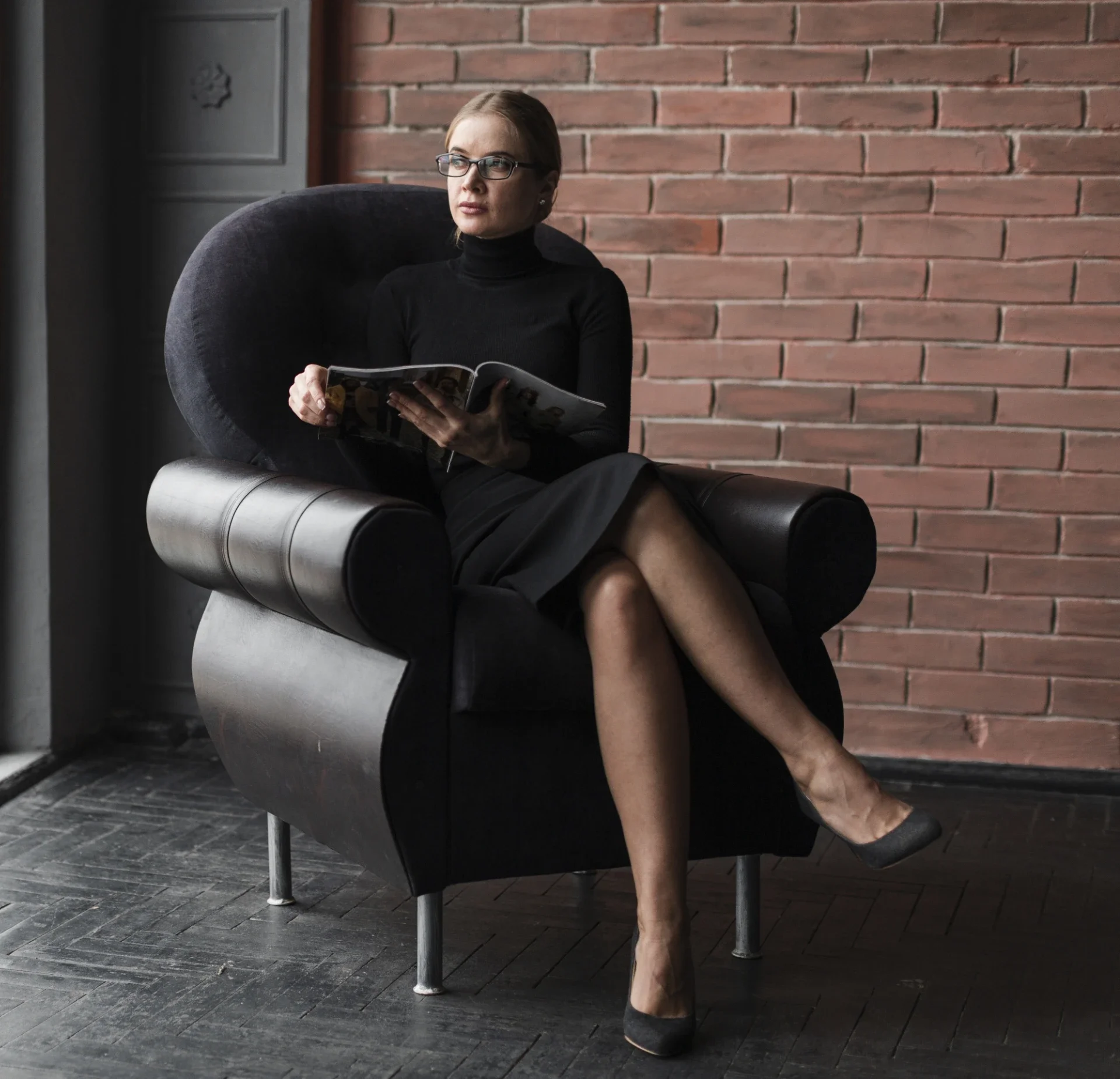
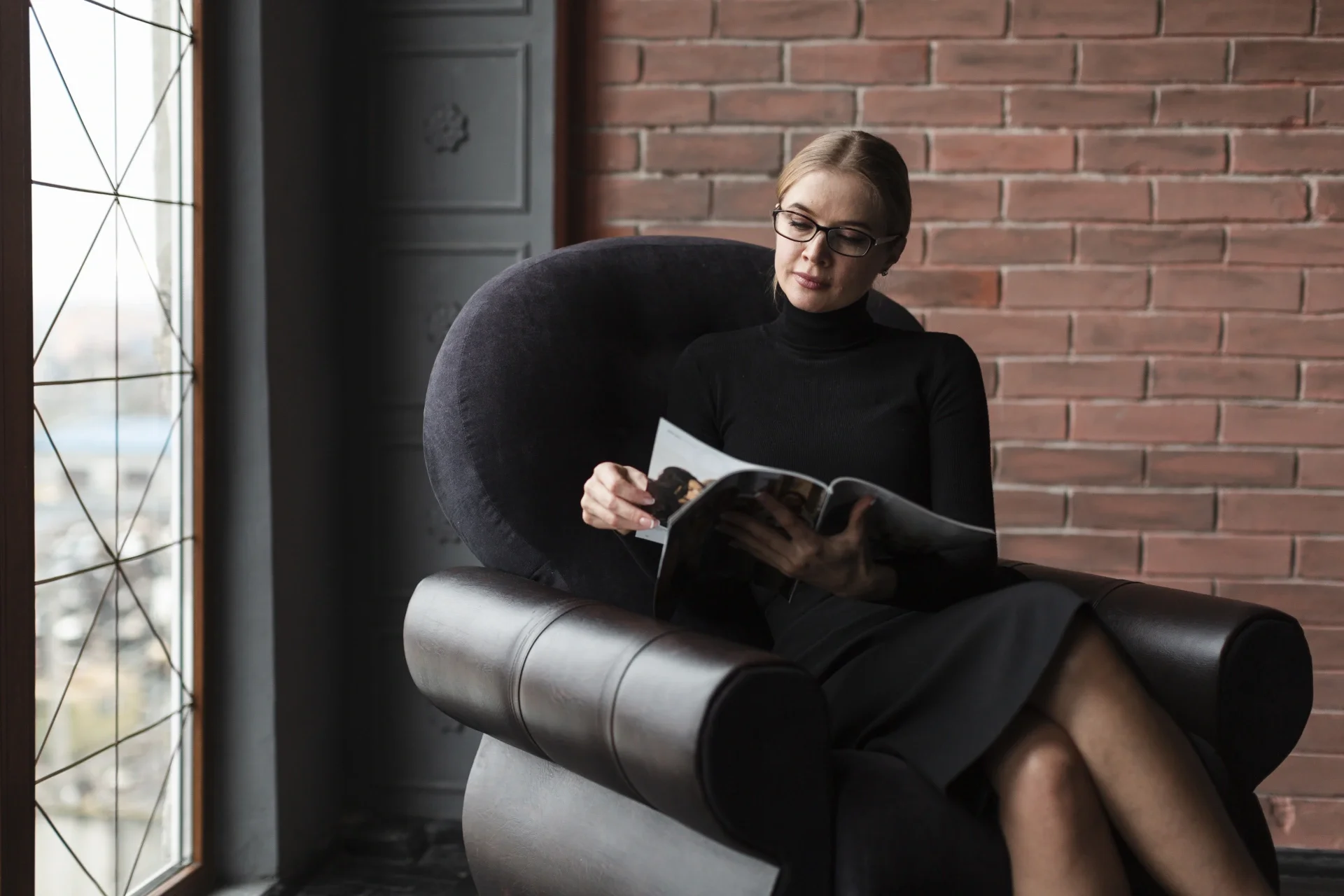
Homes designed around lived experience often feel understated at first encounter.
Their intelligence reveals itself gradually: in circulation that feels obvious, in acoustics that soften rather than amplify, in daylight that is generous without exposure. These qualities are difficult to document visually, yet they shape daily life profoundly.
A successful home does not demand awareness of itself. It allows occupants to focus on living rather than navigating. It fades into the background in the best possible way.
This is not invisibility. It is alignment. So do images matter?
Yes. They always will. They are how spaces are shared, remembered and communicated. The risk lies not in photograph itself, but in allowing the image to become the primary measure of success. Design that prioritises lived experience over visual performance may never shout. It rarely needs to. Its value is felt quietly, in ease, in rest, and in the absence of friction.
Notes on evidence & limitations
Kaplan, R., & Kaplan, S. (1989). The Experience of Nature. Cambridge University Press; Gibson, J.J. (1979). The Ecological Approach to Visual Perception.
Kaplan, S. (1995). The Restorative Benefits of Nature. Journal of Environmental Psychology, 15(3); Evans, G.W. (2003). The Built Environment and Mental Health. Journal of Urban Health.
Explore more inspiring reads